Gudrun Himmler
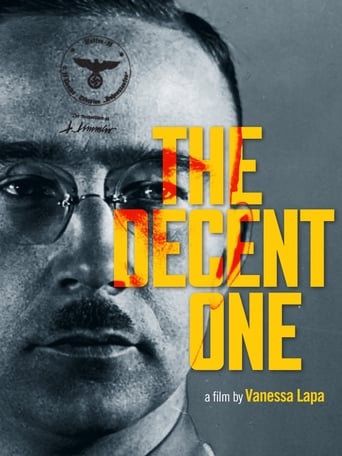
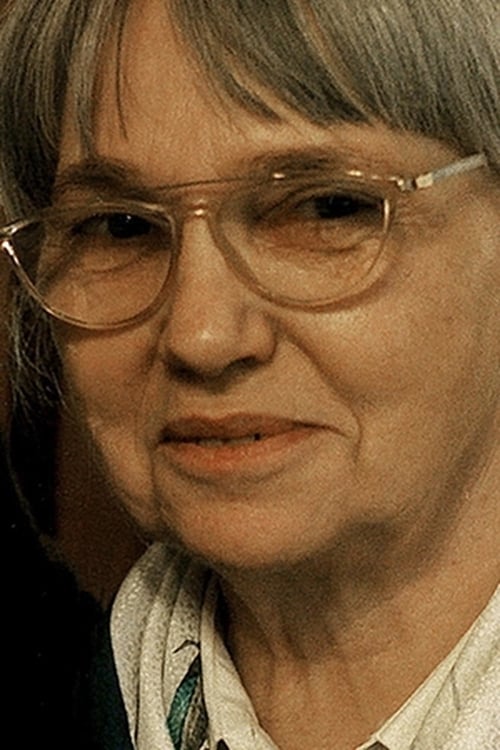
Gudrun Margarete Elfriede Emma Anna Burwitz, known as Gudrun Himmler, was born into a prominent family on August 8, 1929. She was the only daughter of Heinrich Himmler, a high-ranking official in the Nazi Party and one of the principal figures behind the implementation of the Holocaust, known as the Final Solution.
Growing up in a household deeply entrenched in Nazi ideology, Gudrun's life was profoundly shaped by her father's notorious political career. Following World War II, she became an ardent supporter of her father's legacy and the ideology he represented. In the aftermath of the war, Gudrun remained active in various far-right circles and sought to preserve her father's memory, often expressing her views through interviews and writings.
In 1953, Gudrun married Franz Wilhelm Burwitz, and they had three children together. She continued to live a life that reflected her family's controversial past, often engaging with neo-Nazi groups and organizations that aligned with her beliefs.
Gudrun Himmler's life serves as a stark reminder of how historical legacies can persist across generations. Her unwavering commitment to her father's ideology has made her a notable figure in discussions about the remnants of Nazi thought in contemporary society. Despite the infamy associated with her lineage, she has remained a controversial figure, representing a complex intersection of history and memory.