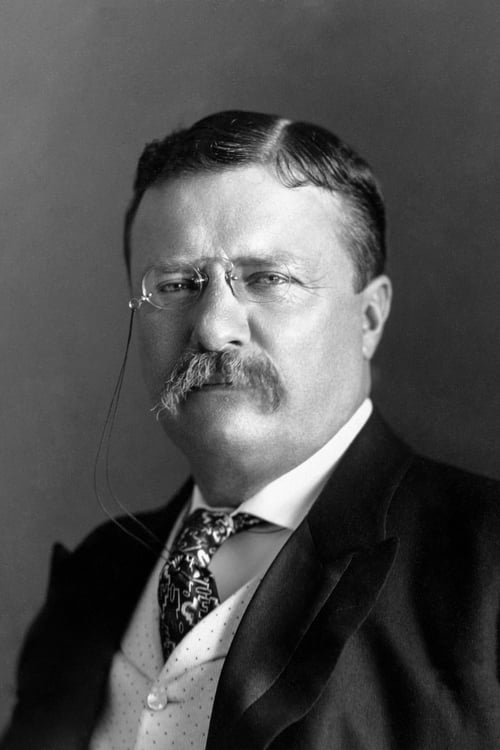
Theodore Roosevelt
Theodore Roosevelt Jr. (October 27, 1858 – January 6, 1919), commonly referred to as Teddy or T.R., was the 26th President of the United States, holding office from 1901 to 1909. Before ascending to the presidency, Roosevelt made his mark in New York politics, notably serving as the state's 33rd governor for two years. His political journey included a brief tenure as the 25th vice president under William McKinley, where he served for six months until McKinley's assassination, after which Roosevelt assumed the presidential role.
Roosevelt's presidency was characterized by his vigorous leadership style and commitment to reform. He became a pivotal figure within the Republican Party and championed various Progressive policies aimed at curbing corporate monopolies, earning a reputation as a staunch advocate for anti-trust legislation. His administration is remembered for significant achievements such as the establishment of national parks, the regulation of railroads, and the promotion of consumer protection laws.
Roosevelt's contributions extended beyond his time in office, as he was a prolific writer and an influential figure in American history. His legacy endures through his efforts to promote conservation and his belief in a robust, active government that serves its citizens. His dynamic personality and progressive ideals have left a lasting impact on American politics and society.