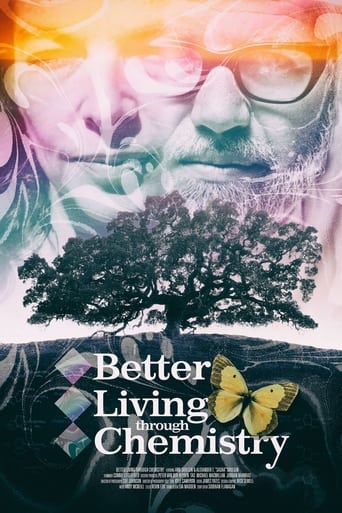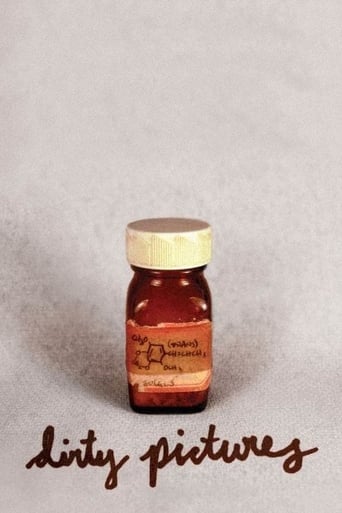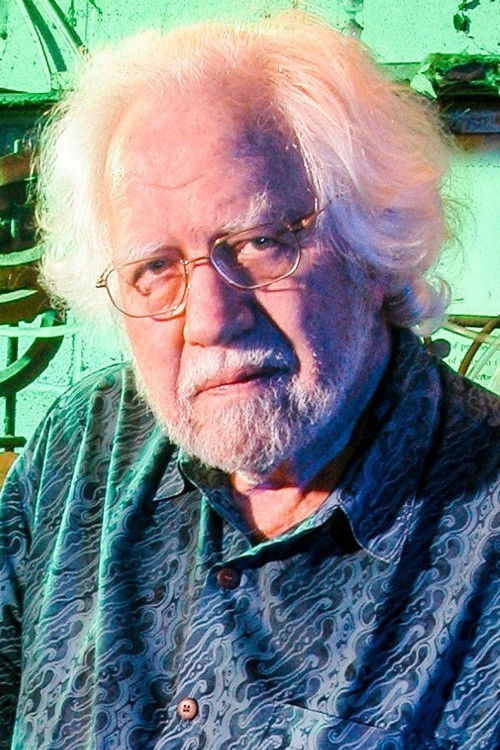
Alexander Shulgin
Alexander Theodore "Sasha" Shulgin (June 17, 1925 – June 2, 2014) was a distinguished American scientist renowned for his contributions to medicinal chemistry, biochemistry, pharmacology, and psychopharmacology. He gained significant recognition in the late 1970s for introducing MDMA, commonly known as ecstasy, to the psychological community as a psychotherapeutic tool. Throughout his career, Shulgin synthesized and personally tested over 230 psychoactive substances, exploring their entactogenic and psychedelic properties.
Together with his wife Ann Shulgin, he co-authored two pivotal works, "PIHKAL" and "TIHKAL," published in 1991 and 1997, respectively. These books, which stand for "Phenethylamines I Have Known And Loved" and "Tryptamines I Have Known And Loved," detail their extensive research and personal insights into the effects and synthesis of these drug classes. Among his most notable discoveries are the 2C* series (including 2C-B) and the DOx series (notably DOM).
Shulgin's groundbreaking research and innovative approach to psychedelic compounds have earned him the title of the "godfather of psychedelics." His legacy continues to influence the fields of drug design and psychedelic research, making a lasting impact on both scientific inquiry and therapeutic applications.