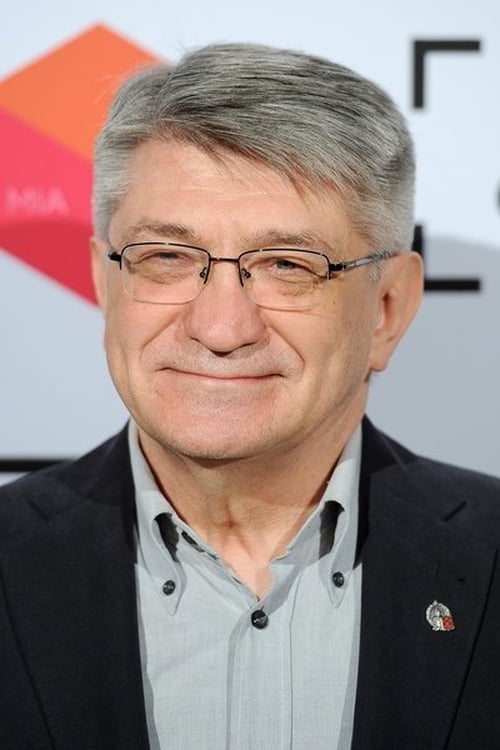
Aleksandr Sokurov
Aleksandr Sokurov, born on June 14, 1951, is a prominent Russian filmmaker known for his avant-garde and independent cinema, which has garnered recognition on the global stage. Often regarded as a successor to the legendary Andrei Tarkovsky, Sokurov's work is characterized by its somber, introspective nature, and a unique ability to merge the visual with the philosophical. He employs hallmark techniques such as extended, meticulously composed shots, distorted perspectives, and the innovative use of wide-angle lenses, allowing audiences to experience a blend of aesthetic beauty and deep contemplation.
Sokurov's films frequently eschew conventional narratives in favor of a more impressionistic approach, focusing on the interplay between history and nature. He advocates for the artistry of film, resisting the temptation to cater solely to mainstream entertainment.
Among his most celebrated productions is "Russian Ark" (2002), an ambitious feature shot in a single, continuous take that traverses the Winter Palace in Saint Petersburg. Other notable works include "Mother and Son" (1997), which explores the bond between a parent and child in a dreamlike setting, and "Faust" (2011), which earned the prestigious Golden Lion at the Venice Film Festival, recognizing it as the best film of the year. Through his distinctive vision and dedication to the cinematic arts, Sokurov has left an indelible mark on contemporary filmmaking.