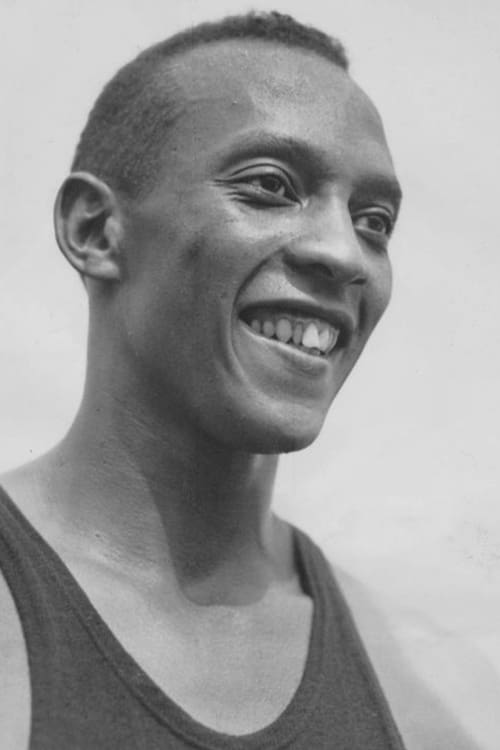
Jesse Owens
James Cleveland "Jesse" Owens (September 12, 1913 – March 31, 1980) was a groundbreaking American track and field athlete renowned for his extraordinary achievements, most notably during the 1936 Olympic Games in Berlin, where he claimed four gold medals in the 100 meters, long jump, 200 meters, and the 4 × 100-meter relay. His performance not only made him the standout athlete of the event but also served as a powerful rebuttal to Adolf Hitler's Aryan supremacy ideology.
Owens' athletic prowess became evident early on when he attended East Technical High School in Cleveland, where he equaled the world record in the 100-yard dash and achieved a remarkable long jump of 24 feet 9.5 inches at the 1933 National High School Championship. His remarkable talent was further showcased in 1935 when he set three world records and tied another in a staggering 45-minute span at the Big Ten track meet, a feat that remains unmatched in sports history.
Born in Oakville, Alabama, Owens was the youngest of ten children and moved to Cleveland during the Great Migration. He developed a passion for running with the encouragement of his junior high school coach, Charles Riley.
Off the track, Owens had a loving family life with his wife, Minnie Ruth Solomon, whom he married in 1935, and their three daughters. His legacy is immortalized in the Jesse Owens Award, presented annually to the top track and field athlete in the United States. Recognized as one of the greatest athletes of the 20th century, ESPN ranked him as the sixth best North American athlete in history, and he was also featured on the BBC's shortlist for Sports Personality of the Century in 1999.