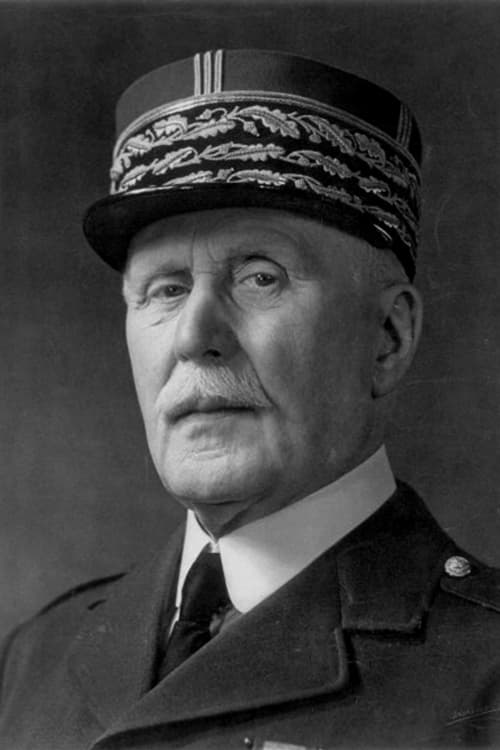
Philippe Pétain
Henri Philippe Bénoni Omer Joseph Pétain, commonly referred to as Philippe Pétain, was born on April 24, 1856, and passed away on July 23, 1951. Pétain was a prominent French military leader, recognized for his role as a general during World War I, where he earned acclaim for his command of the French Army, particularly in the Battle of Verdun. His tactics and leadership during this critical conflict solidified his status as a national hero.
However, his legacy took a controversial turn during World War II when he became the head of Vichy France, a regime that collaborated with Nazi Germany from 1940 until 1944. Pétain's government was marked by authoritarian policies and a departure from the ideals of the French Republic. His leadership during this period has been the subject of significant debate and scrutiny, as he was seen as having betrayed France by cooperating with the occupying forces.
After the war, Pétain was tried for treason, and his actions during the Vichy regime led to a life sentence. His complex life reflects the tumultuous history of France in the 20th century, embodying both the valor of a wartime leader and the infamy of a collaborator. Despite the contradictions of his legacy, Pétain remains a significant figure in French history.