Noboru Andō
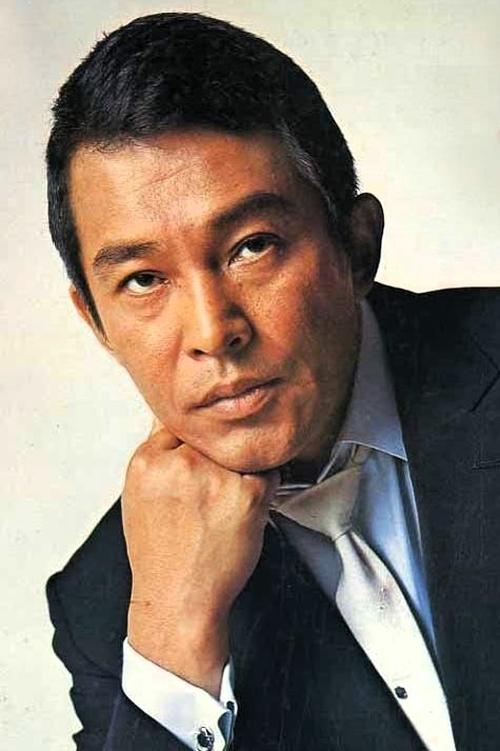
Noboru Andō (安藤 昇, Andō Noboru), born on May 24, 1926, and passing on December 16, 2015, was a multifaceted Japanese actor, writer, and former yakuza. His unique life experiences greatly influenced his performances, particularly in the yakuza film genre, where he often drew from his past as a criminal.
Andō's distinctive appearance, marked by a prominent scar on his left cheek—acquired during a confrontation with a Korean gangster in his youth—added authenticity to his roles. His career spanned several decades, during which he became a prominent figure in the film industry, particularly noted for his portrayals of complex and gritty characters.
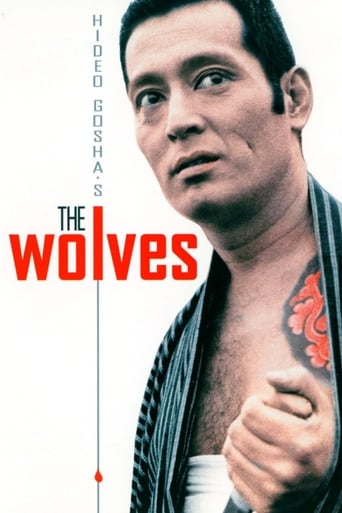
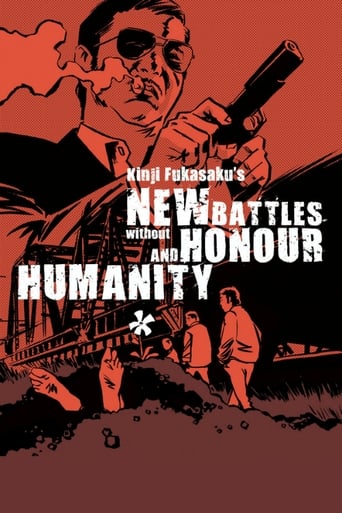
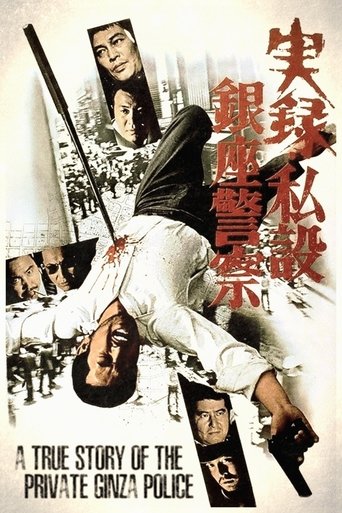
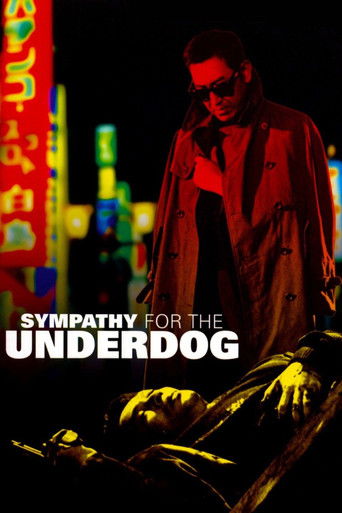
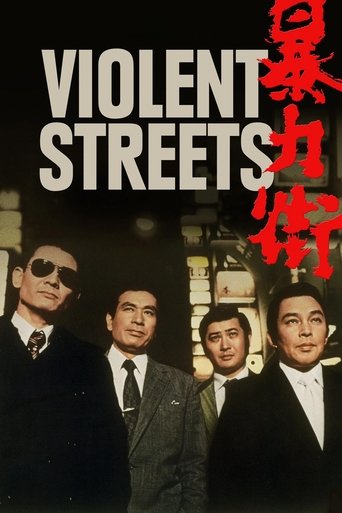
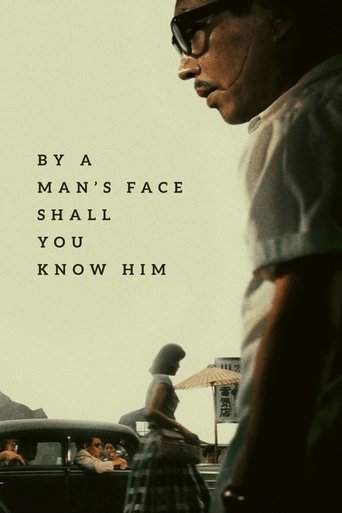
Throughout his career, Andō starred in numerous acclaimed yakuza films, including notable works such as "Battles Without Honor and Humanity" (1973) and "The Wolves" (1971), which showcased his ability to convey the raw emotions and realities of the underworld.
Beyond acting, Andō also made contributions as a writer, sharing insights from his tumultuous past and the world of organized crime. His legacy continues to resonate in Japanese cinema, where he is remembered not only for his captivating performances but also for his authentic representation of yakuza life. Through his work, Noboru Andō left an indelible mark on the film industry, blending his life experiences with art in a way that few have managed to achieve.