Clarence Brown
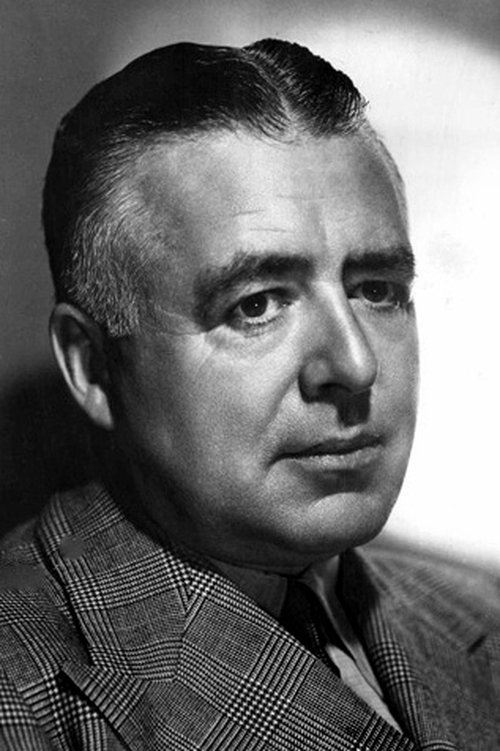
Clarence Leon Brown (May 10, 1890 – August 17, 1987) was a distinguished American film director whose career spanned several decades and left an indelible mark on Hollywood. After serving as a fighter pilot and flight instructor in the United States Army Air Service during World War I, Brown made his directorial debut in 1920 with The Great Redeemer, co-directing alongside Maurice Tourneur. Following Tourneur's injury, he took the helm for a significant portion of The Last of the Mohicans later that same year.
In 1924, Brown transitioned to Universal Pictures and subsequently joined Metro-Goldwyn-Mayer (MGM), where he became known for directing some of the studio's most iconic female stars, including Joan Crawford and Greta Garbo, with whom he collaborated on multiple occasions—six and seven films, respectively.
Throughout his illustrious career, Brown was nominated for the Academy Award for Best Director five times for six different films, though he never secured a win. His notable achievements include winning Best Foreign Film at the 1935 Venice International Film Festival for Anna Karenina, featuring Garbo. His films collectively garnered 38 Academy Award nominations, resulting in nine wins for various categories. In 1949, he was honored with a British Academy Award for his adaptation of William Faulkner's Intruder in the Dust.
In recognition of his contributions to cinema, Brown received The George Eastman Award in 1957. He retired comfortably through successful real estate ventures but chose to avoid contemporary films, fearing they might reignite his directorial ambitions. In tribute to his legacy, the Clarence Brown Theater at the University of Tennessee bears his name, and he holds the unique distinction of having the most Academy Award nominations for Best Director without a win, totaling six.