Carmen Castillo
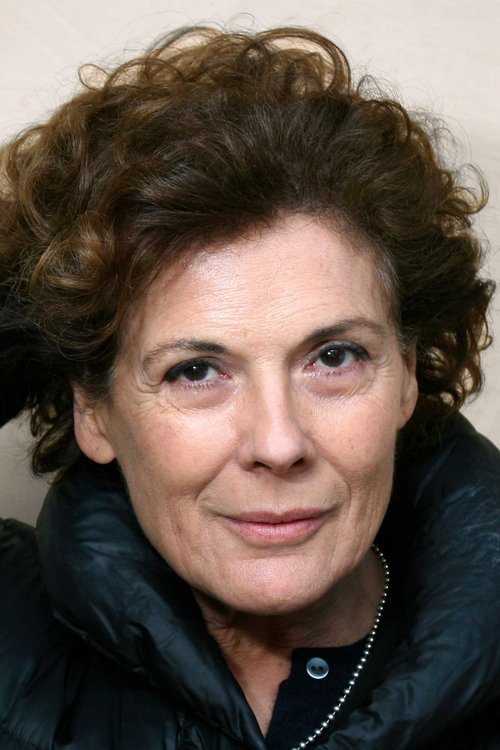
Carmen Castillo, born in Santiago de Chile, played a significant role in her country’s tumultuous political landscape by working at La Moneda Palace under Salvador Allende. Following the tragic loss of her partner, Miguel Enriquez, during a military crackdown, she was forcibly exiled while pregnant and injured, eventually seeking refuge in France.
In her adopted country, Castillo established herself as a prominent documentary filmmaker, creating a rich body of work for notable French broadcasters, including TF1, FR3, and the Franco-German channel Arte. Her directorial debut, "Los muros de Santiago" (1983), was soon followed by "Estado de guerra: Nicaragua" (1984). Her documentary "La Flaca Alejandra" (1993) earned the prestigious Golden FIPA at Cannes and received accolades in Geneva, Monte Carlo, San Francisco, and New York.
Throughout her career, Castillo has directed several acclaimed documentaries, including "La verdadera leyenda del Subcomandante Marcos" (1995), "Inca de oro" (1996), and "El bolero, una educación amorosa" (1999), which won First Prize at the Annecy Festival. Her film "Calle Santa Fé" (2007) was showcased in Cannes' Un Certain Regard and featured at the San Sebastian Film Festival.
In addition to her film work, Castillo is an accomplished author, having published several books like "Un día de octubre en Santiago" (1980) and "Santiago/Paris, el vuelo de la memoria" (2000), co-authored with Mónica Echeverría. Her contributions to both literature and film continue to resonate, reflecting the complex narratives of her life and heritage.