Carl Sagan
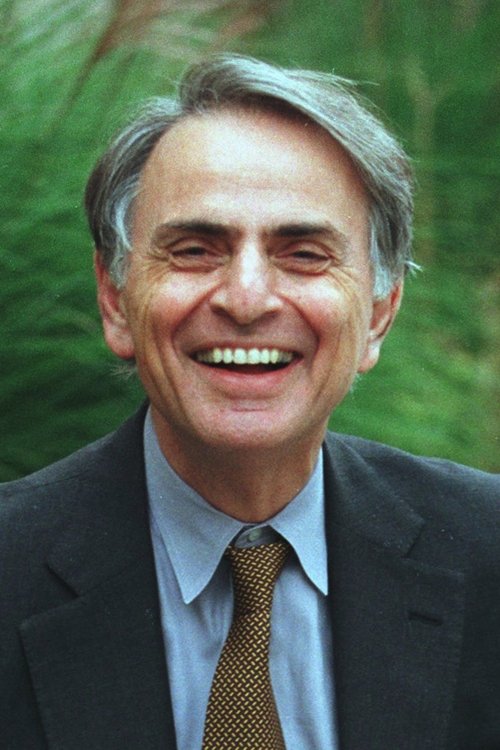
Carl Edward Sagan (November 9, 1934 – December 20, 1996) was a prominent American figure celebrated for his contributions as an astronomer, cosmologist, astrophysicist, and astrobiologist, as well as for his impactful role as a science communicator. Renowned for his ability to engage the public with science, Sagan made significant strides in the exploration of extraterrestrial life, notably demonstrating how basic chemicals could yield amino acids when exposed to radiation.
A trailblazer in the field of interstellar communication, Sagan was instrumental in creating the first physical messages intended for potential extraterrestrial beings: the Pioneer plaque and the Voyager Golden Record, both designed to convey universal messages about humanity. He also provided crucial insights into the greenhouse effect, explaining the extreme temperatures of Venus through this lens.
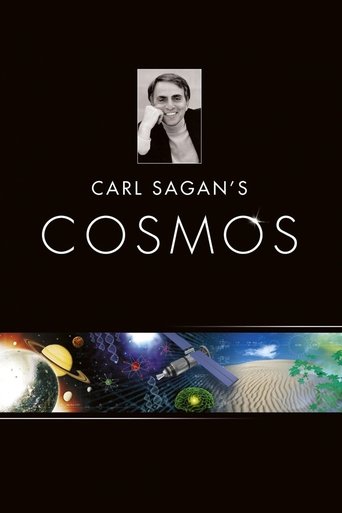
Sagan's prolific output included over 600 scientific papers and articles, alongside more than 20 influential books. His notable works include popular science classics like The Dragons of Eden, Broca's Brain, and Pale Blue Dot. He co-wrote and narrated the groundbreaking 1980 television series Cosmos: A Personal Voyage, which stands as the most-watched series in American public television history, reaching over 500 million viewers in 60 countries. The accompanying book, Cosmos, further solidified his legacy. Additionally, Sagan authored the science fiction novel Contact, which inspired a 1997 film adaptation, showcasing his versatility and enduring impact on both science and literature.