Arthur C. Clarke
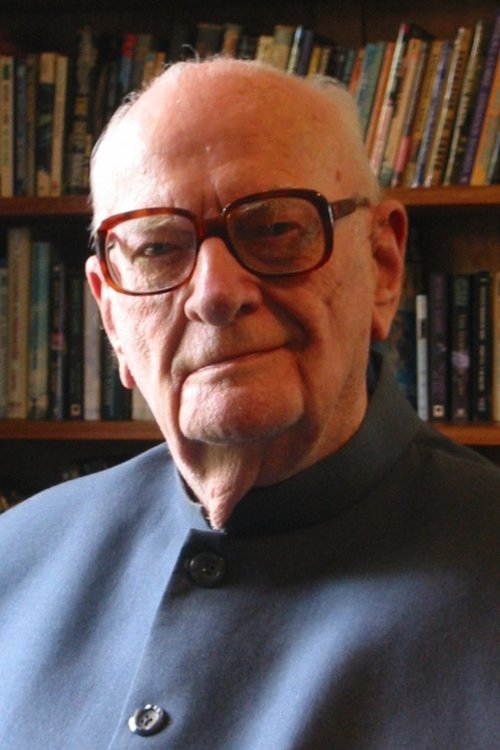
Sir Arthur Charles Clarke CBE FRAS (16 December 1917 – 19 March 2008) was a prominent English author, futurist, inventor, and undersea explorer, renowned for his contributions to science fiction and popular science. His collaboration on the screenplay of the groundbreaking 1968 film *2001: A Space Odyssey* solidified his status as a pivotal figure in cinematic history. Clarke's prolific writing encompassed numerous novels and essays, helping to popularize space exploration and earning him the title "Prophet of the Space Age."
His remarkable achievements include receiving the Kalinga Prize in 1961, a UNESCO accolade recognizing his efforts in making science accessible to the public. Among his numerous accolades, Clarke was celebrated with several Hugo and Nebula awards, positioning him alongside contemporaries Robert Heinlein and Isaac Asimov, collectively known as the "Big Three" of science fiction.
A lifelong advocate for space travel, Clarke joined the British Interplanetary Society at just 17 and proposed a revolutionary satellite communication system in 1945 utilizing geostationary orbits. In 1956, he relocated to Ceylon (now Sri Lanka) to pursue his passion for scuba diving, where he famously uncovered the submerged ruins of the ancient Koneswaram Temple. His popularity soared in the 1980s as the host of the television series *Arthur C. Clarke's Mysterious World*. Honored with a CBE in 1989 and knighted in 1998, Clarke also received Sri Lanka's highest civil honor, Sri Lankabhimanya, in 2005. He spent the remainder of his life in Sri Lanka until his passing.