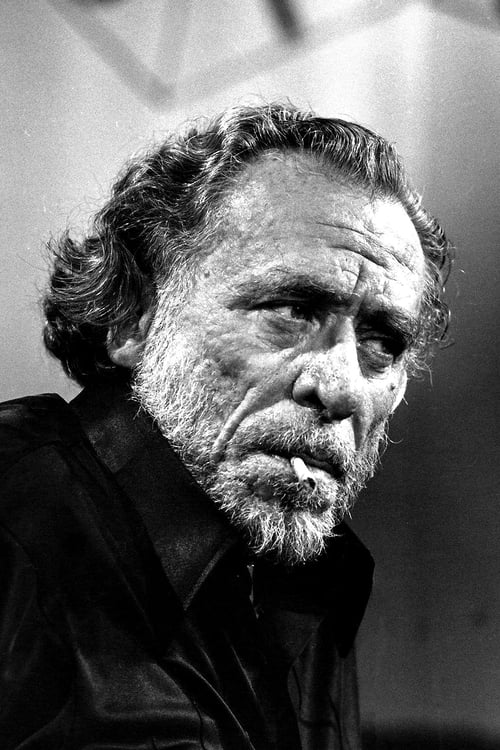
Charles Bukowski
Henry Charles Bukowski, born on August 16, 1920, in Andernach, Germany, was a prominent German-American poet, novelist, and short-story writer whose work vividly captured the gritty essence of urban life. Relocating to Los Angeles at a young age, Bukowski's writing was profoundly shaped by the social and economic circumstances of his surroundings, often reflecting the struggles and raw realities faced by everyday people.
Bukowski gained recognition for his unfiltered, candid prose that explored themes of loneliness, love, and the human condition. His distinctive voice emerged through collections of poetry and prose that resonated with readers seeking authenticity. Among his notable works are "Post Office" (1971), a semi-autobiographical novel detailing his experiences in the postal service, and "Ham on Rye" (1982), which offers a poignant glimpse into his tumultuous childhood and adolescence.
His poetry collections, including "Love is a Dog From Hell" (1977) and "The Last Night of the Earth Poems" (1992), further solidified his reputation as a literary icon. Bukowski's unapologetic style and exploration of life's darker sides garnered him a devoted following, and he became an influential figure in American literature until his passing on March 9, 1994. Through his extensive body of work, Bukowski left an indelible mark on the literary landscape, celebrating the beauty and brutality of the human experience.