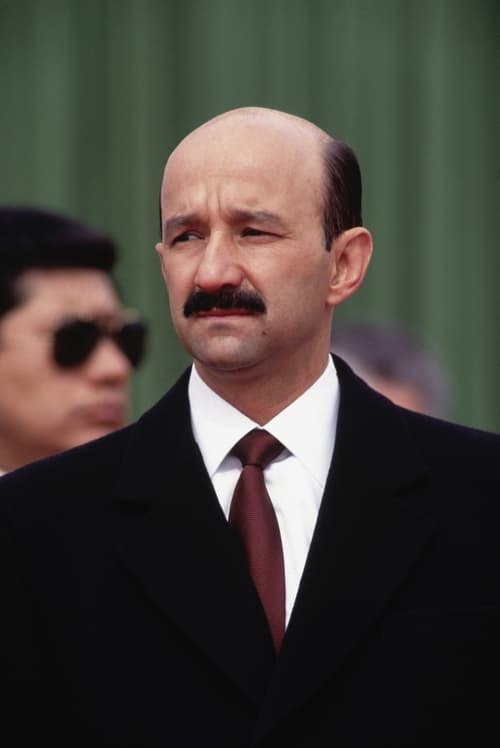
Carlos Salinas de Gortari
Carlos Salinas de Gortari, born on April 3, 1948, is a prominent Mexican economist and politician known for his affiliation with the Institutional Revolutionary Party (PRI). He held the presidency of Mexico from 1988 to 1994, a period that marked him as one of the most influential and contentious political figures in Mexico's contemporary history.
Salinas began his career in public service within the Budget Secretariat, where he quickly rose through the ranks to become Secretary. His political ascent culminated in his candidacy for the presidency in 1988. Following a highly disputed election marred by claims of fraud, Salinas was officially declared the winner on July 6, 1988.
During his presidency, Salinas implemented significant economic reforms aimed at modernizing the Mexican economy, including the privatization of state-owned enterprises and the negotiation of the North American Free Trade Agreement (NAFTA), which would profoundly impact trade relations in North America. His administration is noted for its attempts to address poverty and inequality, though it also faced criticism for exacerbating these issues and for the political turbulence that followed his term.
Salinas's legacy remains complex, characterized by both ambitious reforms and significant controversy, leaving an indelible mark on Mexico's political and economic landscape.