Fortunio Bonanova
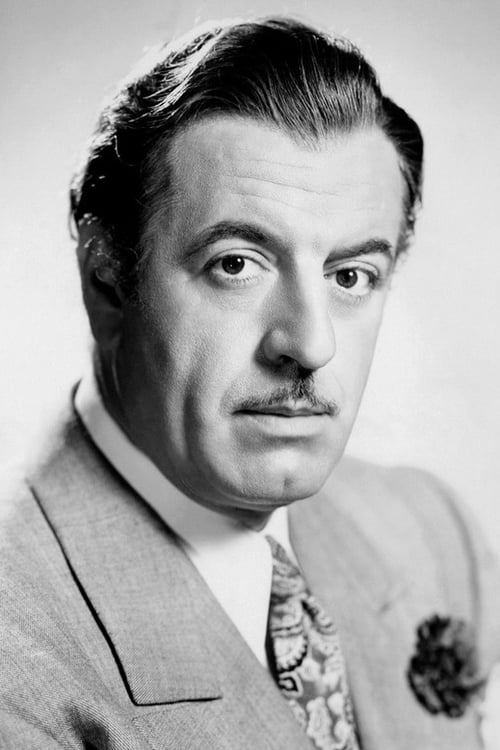
Fortunio Bonanova, born Josep Lluís Moll on January 13, 1895, and passing away on April 2, 1969, was a renowned Spanish baritone vocalist as well as an actor in film, theater, and television. He also occasionally took on roles as a producer and director.
The name Fortunio Bonanova, as explained by Lluis Fàbregas Cuixart, was inspired by his aspiration for wealth and a fondness for the Bonanova district in Palma, his hometown.
In his early years, before adopting his stage persona, he worked as a telegraph operator. He pursued music studies under the guidance of Italian instructor Giovachini. His singing career commenced in 1921 with a performance in Richard Wagner's Tannhäuser at the Teatre Principal in Palma. That same year, alongside several Majorcan intellectuals, including a young Jorge Luis Borges, who was residing in Majorca, he signed the Ultraist Manifesto, identifying himself as Fortunio Bonanova.
He made his film debut in a silent adaptation of Don Juan Tenorio, produced by the Baños brothers, which premiered in New York City and Hollywood the following year. In 1924, he directed his own version of Don Juan.
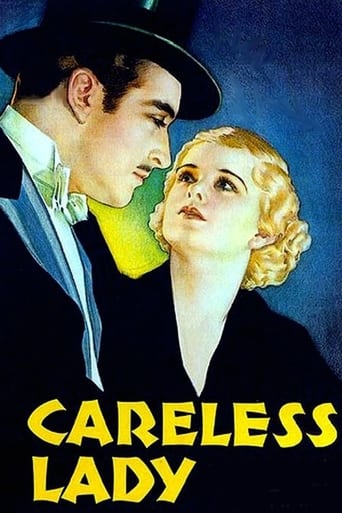
Bonanova's career included a role in the 1927 film Love of Sunya, featuring Gloria Swanson, and smaller parts in Hollywood films with stars like Joan Bennett and Mary Astor in the early 1930s. He performed in various operas and zarzuelas in New York, including La Canción del Olvido and La Duquesa del Tabarín. After returning to Spain in 1934, he starred in El Desaparecido, a film by Antonio Graciani, and contributed to Poderoso Caballero in 1935.
With the onset of the Spanish Civil War in 1936, Bonanova relocated to the United States, where he played Captain Bill in