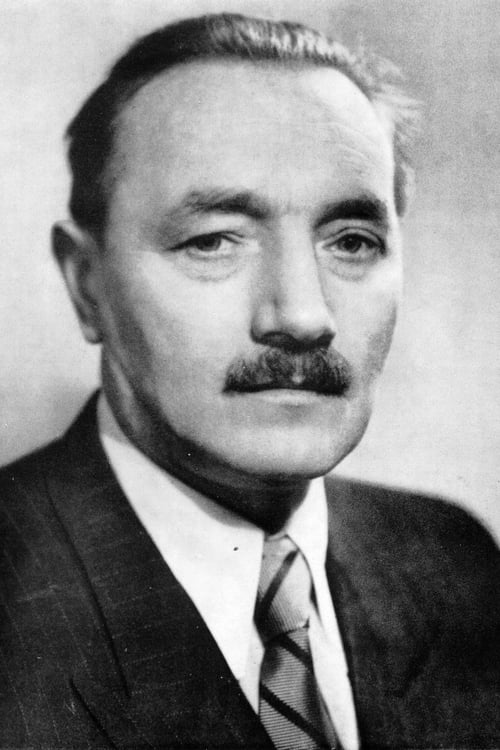
Bolesław Bierut
Bolesław Bierut (April 18, 1892 – March 12, 1956) was a prominent Polish politician and key figure in the communist movement who played a significant role in shaping the Polish People's Republic from 1947 until his death in 1956. He served as the President of the State National Council from 1944 to 1947, subsequently becoming the President of Poland from 1947 to 1952. Bierut also held the position of General Secretary of the Central Committee of the Polish United Workers' Party from 1948 until 1956 and briefly acted as Prime Minister from 1952 to 1954.
A self-taught individual, Bierut was determined to establish a Stalinist regime in Poland, navigating the complexities of post-World War II politics. Alongside Władysław Gomułka, who would later become his political adversary, Bierut was instrumental in the transformative changes that took place in Poland during this tumultuous period. His leadership marked a decisive era in Polish history, characterized by significant political and social shifts.
Bierut's tenure is notable for its alignment with Soviet policies and his unyielding commitment to the communist ideology, setting him apart from his successors who followed a different path. His influence persisted until his death, leaving a lasting legacy on the landscape of Polish politics.