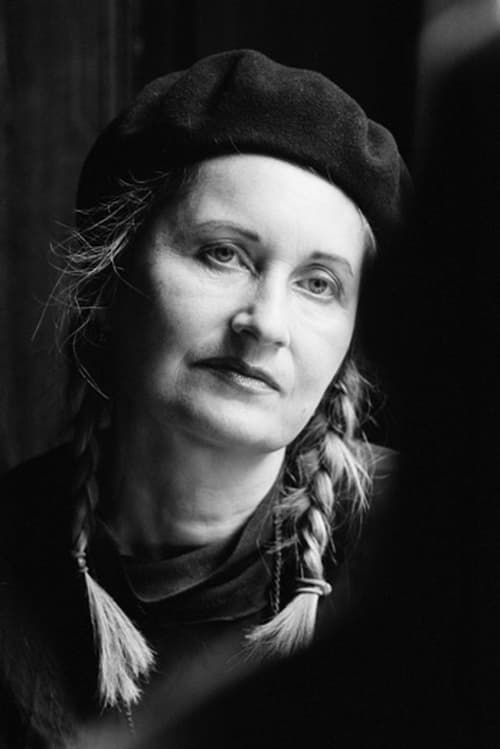
Elfriede Jelinek
Elfriede Jelinek, an acclaimed Austrian writer, has made significant contributions to the world of literature as a playwright and novelist. In 2004, she received the prestigious Nobel Prize in Literature, recognizing her profound impact on contemporary writing. Jelinek's diverse body of work encompasses a wide array of genres, including radio plays, poetry, theatrical scripts, provocative essays, anthologies, novels, translations, screenplays, musical works, libretti, and ballets, as well as film and video art. Her artistic versatility extends to appearances in several feature films.
Perhaps her most renowned work is the novel "Die Klavierspielerin" ("The Piano Teacher"), published in 1983, which explores themes of desire, control, and the complexities of human relationships. This influential book not only solidified her literary reputation but also inspired a critically acclaimed film adaptation.
Throughout her career, Jelinek has been celebrated for her incisive social commentary and innovative narrative techniques, often addressing issues of gender, power, and identity. Her contributions to literature continue to resonate, making her a pivotal figure in modern Austrian and global literature.